Why High-Quality Visual Content Matters for Businesses in Qatar
In a market where customers judge a business by its Instagram grid and website before they ever visit, professional photography, video and consistent branding are part of competing in Doha and across the GCC.
In this article
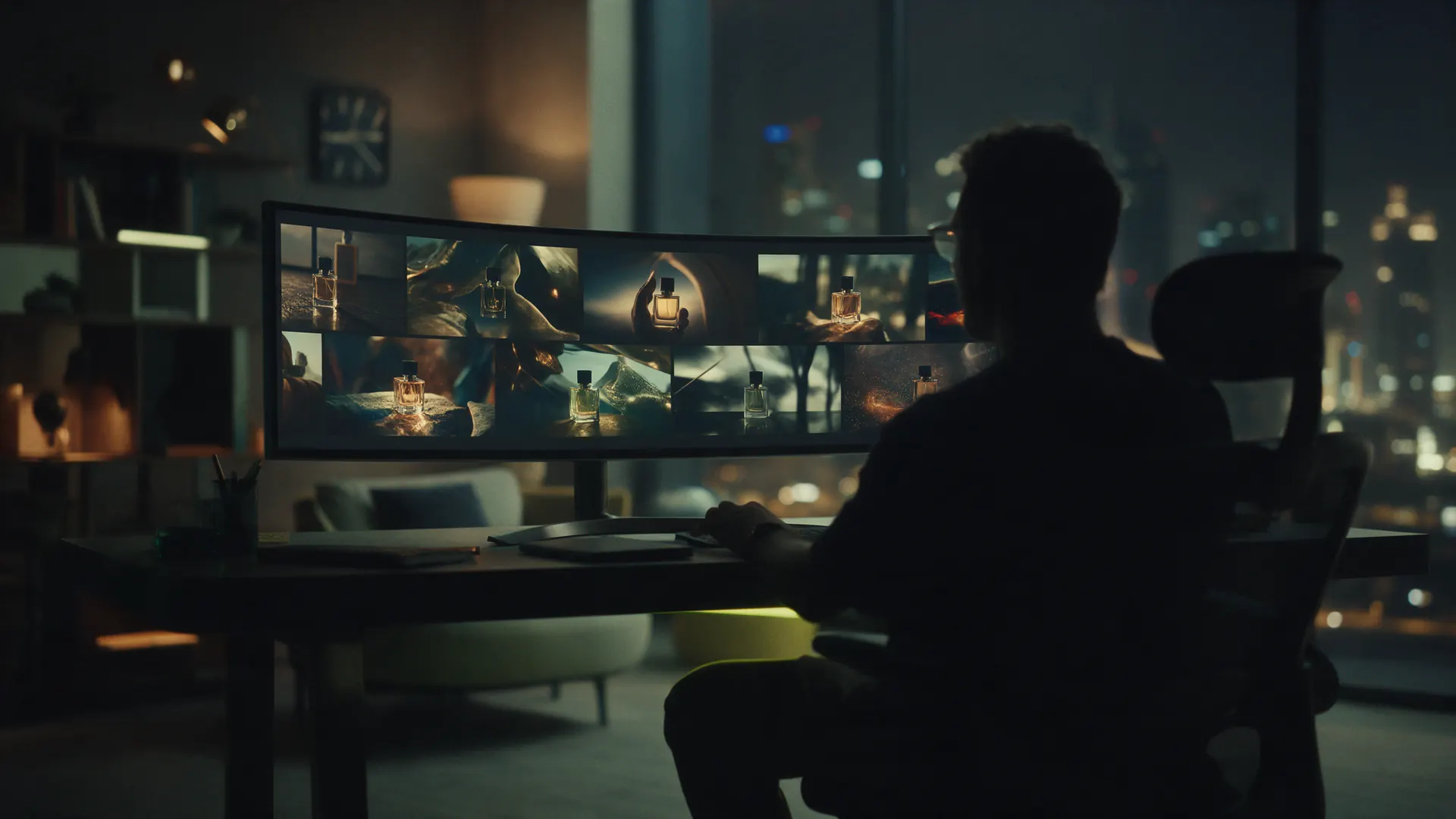
Before a customer in Doha books a table, visits a showroom or sends an enquiry, they usually look you up. They scroll your Instagram, open your website, watch a reel or two and decide, often in seconds, whether you look like a business they can trust. That first impression is visual.
A market that expects polish
Qatar’s consumers are used to high standards. Hospitality, retail and real estate in Doha are often presented with the finish of international luxury brands, and audiences compare every business against that level, whether it’s a global chain or a new café in a neighbourhood mall.
Several things make visual quality especially important here:
- Mobile-first discovery. Instagram, TikTok and Snapchat are central to how people in the Gulf find restaurants, shops, events and services. Your feed works as a shop window.
- Two languages, one brand. Many campaigns need to work in Arabic and English. Strong visuals carry meaning across both and give translated copy a consistent home.
- Seasonal peaks. Ramadan, Eid and Qatar National Day on 18 December shape the marketing calendar. Content for these moments needs planning well before the date.
- Competition from the whole region. Customers follow brands from Dubai, Riyadh and beyond. Local businesses are judged against the best of the GCC, not just their street.
What professional visuals actually do
They build trust before the first conversation
Clear, well-lit photos of your team, premises and work show that a business is real and cares about detail. For service companies, consultancies and clinics, where clients are buying confidence, that matters as much as price.
They make products easier to buy
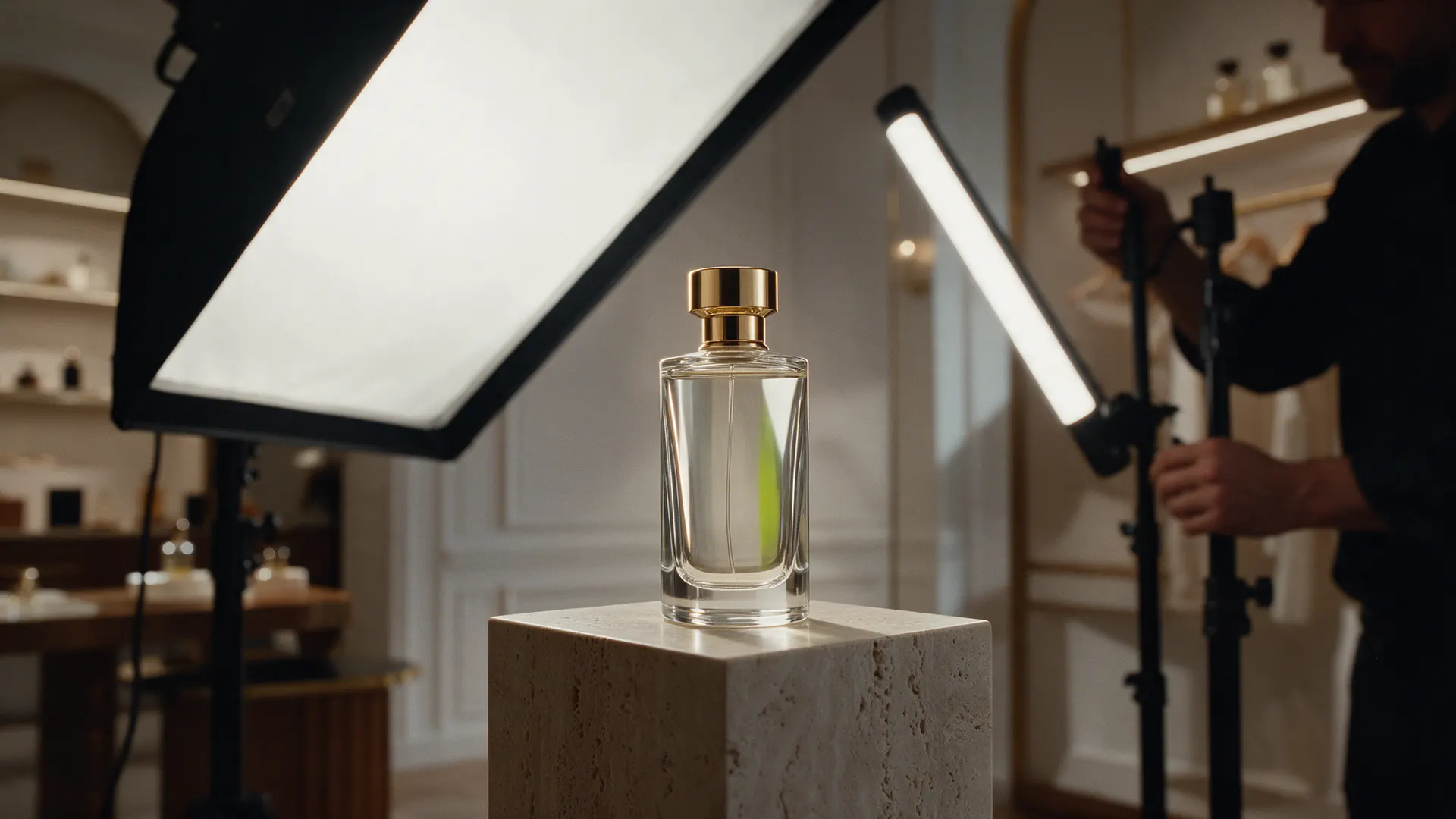
Accurate colour, sharp detail and consistent styling reduce uncertainty. Customers can see the texture of a fabric, the finish on a watch or the portion size of a dish. Good product photography helps people decide.
They make social media sustainable
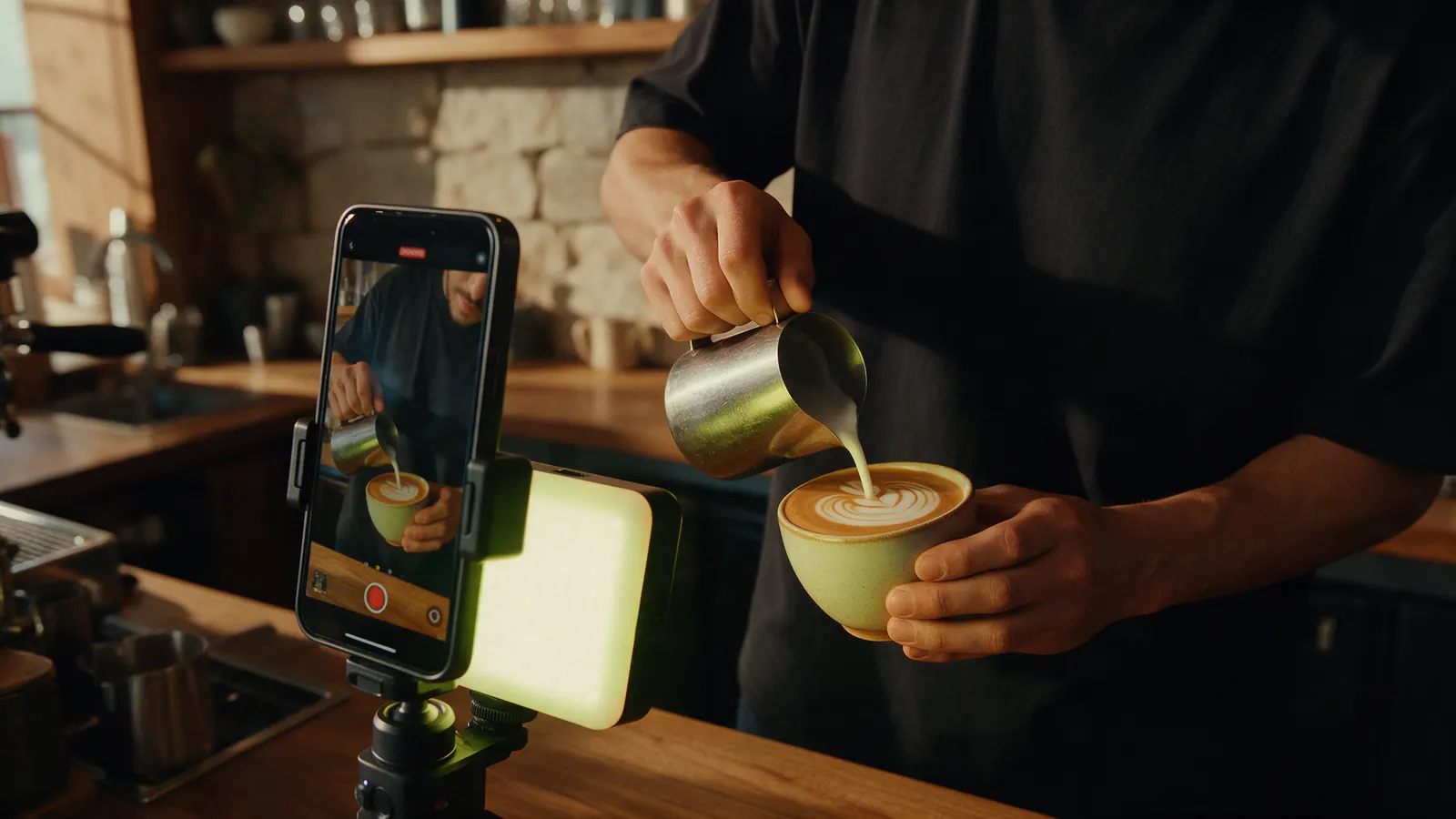
A professional shoot planned for content produces a month or more of material: reels, stories, carousel photos and behind-the-scenes clips. Posting becomes a schedule rather than a scramble, and the feed looks consistent. Social media reels planned around a shoot are among the most efficient ways to keep a brand visible.
They make the website convert
A website with generic stock photos looks like many others. Real images of your business, fast-loading video and clear calls to action give visitors a reason to stay and get in touch. That’s why visuals and web design work best when they’re planned together.
Consistency is the real advantage
One great photo helps. A consistent visual identity helps far more. That means:
- A defined look: colour palette, lighting style and framing that repeat across photos and video.
- Brand assets that work everywhere: logo animations, lower thirds and title cards from your motion graphics toolkit, used across every film.
- Formats planned in advance: vertical for Reels and TikTok, square and portrait for feeds, wide for the website and YouTube.
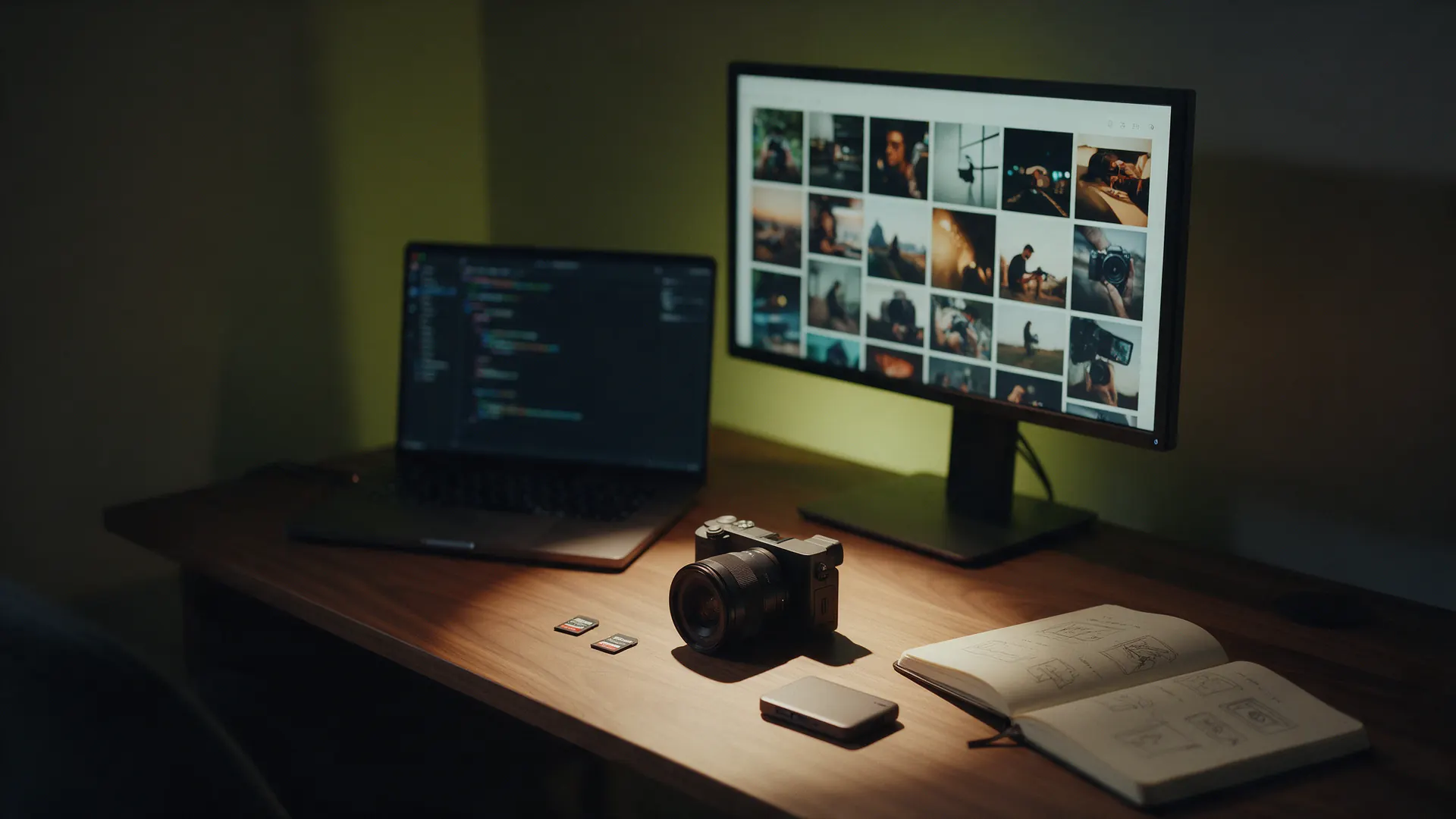
- A content library: organised, named and stored so your team can find the right image quickly.
Common mistakes to avoid
- Relying only on phone photos taken in a rush. Phones are capable, but light, styling and planning make the difference.
- Using stock images for your own products or team. Customers notice, and it weakens trust.
- Shooting without a plan for where content will be used. You end up with beautiful images in the wrong shape.
- Inconsistent editing. Every post graded differently makes a feed look disorganised.
- Forgetting Arabic audiences. Subtitles and text overlays in both languages widen your reach.
A simple plan for your next quarter
- Audit your current website and social feeds. What looks dated, inconsistent or missing?
- List the moments coming up: launches, seasons, events.
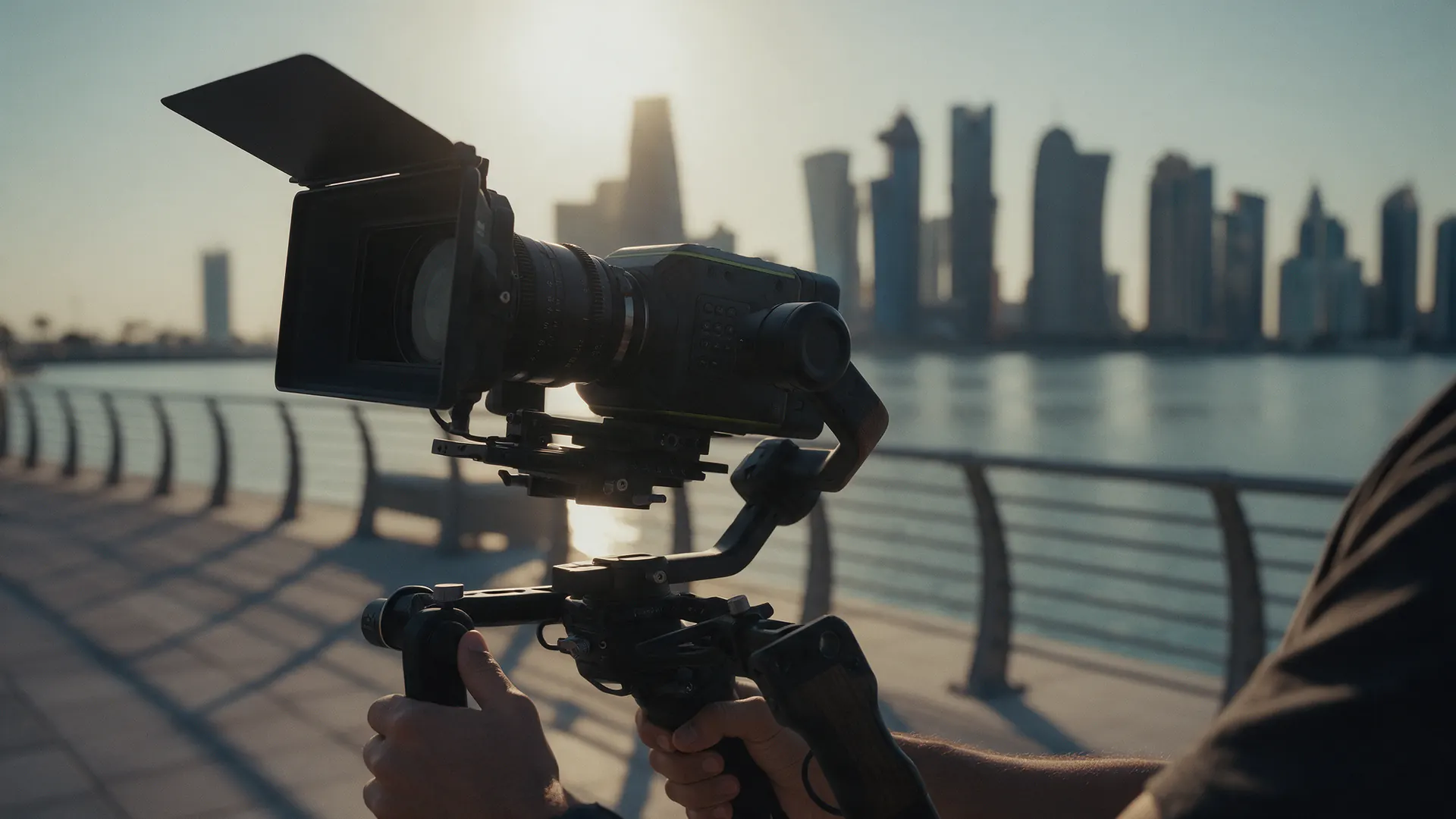
- Plan one shoot to cover several of them: photos, reels and a short brand film.
- Agree a look, then apply it to everything you publish.
- Review results monthly and plan the next shoot around what audiences responded to.
Questions to ask before you book a shoot
Choosing who creates your visuals is as important as deciding to invest in them. A few questions help:
- Can I see work similar to what I need? Event coverage, product photography and brand films are different skills.
- How is the shoot planned? Look for a brief, a shot list and clear timings rather than “we’ll see on the day”.
- What exactly will I receive? Number of edited photos, video lengths, formats, subtitles and delivery dates.
- Who owns and can use the content? Agree usage for your website, social media, ads and print in writing.
- How are revisions handled? Know how many rounds are included and at which stage feedback is most useful.
Clear answers to these questions usually point to a smooth project and content you can actually use.
Ready to raise your visual standard?
Professional visuals are an investment that keeps paying back each time someone discovers your business online. See examples of my work, read how I approach photography and videography in Doha, or contact me to plan content that fits your brand.